
Why Does Mould Keep Coming Back on My Walls? Causes & Long-Term Fixes
If you keep cleaning mould off your walls only for it to return a few weeks or months later, you are not alone. This is one of the most common issues in UK homes, particularly in older properties, flats, and poorly ventilated buildings.
The key point most people miss is simple: mould is not just a surface problem — it is a symptom of an underlying moisture issue. Until that cause is resolved, mould will continue to return no matter how often you clean it.
This guide explains exactly why mould keeps coming back on walls, what is causing it in UK homes, and how to permanently stop it.
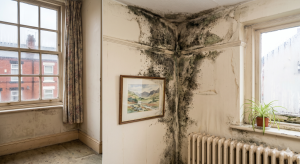
The Real Reason Mould Keeps Returning
Mould grows when three conditions exist at the same time:
- Moisture
- Organic material (paint, plaster, dust)
- Poor airflow
Your walls naturally contain dust and organic material, so the real trigger is almost always excess moisture combined with limited ventilation.
When you only clean the surface mould, you remove the visible growth but not the moisture problem feeding it.
1. Condensation – The Most Common Cause in UK Homes
Condensation is the number one reason mould keeps returning on walls, especially in bedrooms, living rooms, and corners of external walls.
It happens when warm, moist air hits a cold surface and turns into water droplets.
Common condensation triggers include:
- Drying clothes indoors
- Cooking without proper extraction
- Showering and bathing
- Poor heating distribution in winter
- Cold external walls in older homes
You may notice mould appearing:
- Behind wardrobes
- In room corners
- On external walls
- Near windows and sills
Even if you clean it repeatedly, condensation will keep reintroducing moisture to the same areas.
2. Hidden Damp That Never Gets Treated Properly
Another major reason mould returns is hidden damp inside walls or structural materials.
This is often caused by:
- Leaking pipes inside walls
- Roof leaks seeping into plaster
- Rising damp in older buildings
- Failed damp-proof courses
- Water ingress through cracks or external walls
Unlike surface condensation, hidden damp continues feeding moisture into the wall from within.
Signs include:
- Recurring mould in the same exact spot
- Peeling paint or bubbling plaster
- Damp or musty smell that never goes away
- Cold, wet-feeling patches on walls
If this is the cause, cleaning alone will never solve the problem.
3. Poor Ventilation – The Silent Mould Driver
Ventilation is one of the most overlooked factors in recurring mould problems.
Without proper airflow, moisture becomes trapped indoors and settles on walls.
Common ventilation issues include:
- No extractor fans or broken systems
- Windows rarely opened due to weather or noise
- Blocked air vents
- Furniture placed too close to walls restricting airflow
- Overheated but poorly ventilated rooms
In flats and converted buildings, this problem is even more common due to limited airflow design.
Without ventilation improvements, moisture levels stay high — and mould returns.
4. Cold Walls and Thermal Bridging
Cold surfaces are a major trigger for repeated mould growth.
When parts of your wall are colder than the rest of the room, condensation forms in those exact areas.
This is common in:
- Older Victorian and Edwardian homes
- Uninsulated external walls
- Corners of rooms and ceiling edges
- Areas near windows or balconies
Even if you clean the mould, the cold surface continues to attract moisture, restarting the cycle.
5. Incomplete Mould Cleaning (Surface Only Treatment)
Many people unknowingly worsen the problem by only cleaning the visible mould.
The issue is that:
- Spores remain in porous surfaces like plaster
- Cleaning removes staining, not contamination
- Moisture conditions remain unchanged
- Hidden growth continues behind paint or wallpaper
This is why mould often reappears in the same place within weeks.
How to Stop Mould Coming Back Permanently
To permanently solve recurring mould, you must address both the symptom (mould) and the cause (moisture).
Step 1: Identify the Moisture Source
Start by checking:
- Where the mould keeps returning
- Whether the wall feels cold or damp
- If there is any plumbing or roof leakage nearby
- Whether condensation forms regularly in that area
Pinpointing the source is essential before any treatment.
Step 2: Improve Ventilation Immediately
Reduce trapped moisture by:
- Using extractor fans consistently
- Opening windows where possible
- Allowing airflow behind furniture
- Improving cross-ventilation in rooms
- Avoiding indoor drying of clothes where possible
Even small airflow improvements can make a big difference.
Step 3: Control Indoor Humidity
High humidity is a key driver of recurring mould.
To reduce it:
- Use dehumidifiers in problem areas
- Avoid excessive indoor moisture production
- Keep heating consistent during colder months
- Monitor humidity levels where possible
Ideal indoor humidity is typically between 40% and 60%.
Step 4: Treat the Affected Area Properly
Effective treatment involves more than wiping the surface.
A proper approach includes:
- Deep cleaning of contaminated surfaces
- Removal of mould spores from porous materials where possible
- Drying the area thoroughly
- Applying preventative treatments where appropriate
In severe cases, professional remediation may be required.
Step 5: Address Structural or Hidden Issues
If mould keeps returning despite cleaning and ventilation improvements, there is likely a deeper issue.
This may include:
- Hidden leaks inside walls
- Failed damp-proofing
- Insulation problems
- Structural moisture ingress
These issues require professional inspection and repair.
When to Call a Mould Specialist
You should consider professional help if:
- Mould keeps returning in the same location
- The affected area is growing or spreading
- There is a persistent damp smell
- You suspect hidden damp or leaks
- Health symptoms are present
- DIY cleaning is no longer effective
Professionals can identify the root cause and apply long-term remediation solutions.
Final Thoughts
Mould keeps coming back on walls because the underlying moisture problem has not been resolved. Condensation, hidden damp, poor ventilation, and cold surfaces all contribute to repeated growth.
The key to permanent mould removal is not just cleaning — it is identifying and fixing the cause. Once moisture levels are controlled and ventilation is improved, mould can be effectively stopped from returning.
Expert Tips & Guides for Mould/Mildew Prevention and Long-Term Treatment
- How to Stop Mildew Smell in Your Home (Even After Cleaning)
- Mildew on Clothes, Curtains & Fabrics: Causes, Removal & Cleaning Guide
- Do Dehumidifiers Really Stop Mildew? What Actually Works in UK Homes
- What Causes Mould Around Windows and How to Stop It
- Condensation Mould vs Damp: Key Differences, Causes & Correct Treatment
- Mould in Rented Flats UK – Tenant Rights and Landlord Responsibilities
- Why Does Mould Keep Coming Back on My Walls? Causes & Long-Term Fixes
- How to Get Rid of Black Mould in Your Bathroom (Step-by-Step Guide 2026)