
How to Get Rid of Black Mould in Your Bathroom (Step-by-Step Guide 2026)
Black mould in bathrooms is one of the most common household problems in the UK, especially in older homes, flats, and properties with limited ventilation. It typically appears as dark patches on tiles, ceilings, grout, silicone seals, and around windows. While it may start small, it can spread quickly if the underlying moisture problem is not addressed.
This guide explains exactly how to get rid of black mould in your bathroom, including safe DIY methods, when professional treatment is needed, what causes it, and how to prevent it from returning.
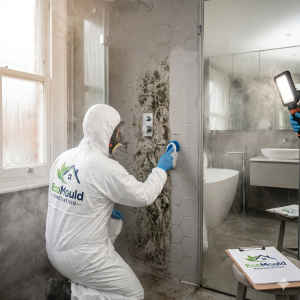
What Is Black Mould and Why Does It Appear in Bathrooms?
Black mould is a type of fungus that thrives in warm, damp, and poorly ventilated environments. Bathrooms provide ideal conditions because they combine moisture, heat, and limited airflow.
Common bathroom mould types include Stachybotrys chartarum and other moisture-loving fungi, which grow on surfaces where condensation and water persist.
The most common reasons black mould appears in bathrooms include:
- Excess moisture from showers and baths
- Poor ventilation or lack of extractor fan use
- Condensation forming on cold tiles and ceilings
- Water leaks behind walls or under sinks
- Silicone seal degradation around baths and showers
- Infrequent cleaning of high-moisture areas
In many UK homes, especially older London properties, these issues are compounded by poor insulation and limited airflow.
Is Black Mould in the Bathroom Dangerous?
Black mould is not always immediately toxic, but prolonged exposure can affect indoor air quality and health. Bathrooms are small enclosed spaces, meaning spores can build up quickly.
Potential health effects include:
- Respiratory irritation
- Coughing and wheezing
- Asthma flare-ups
- Allergic reactions such as sneezing or skin irritation
- Headaches or sinus discomfort in sensitive individuals
Children, elderly people, and those with existing respiratory conditions are more vulnerable. Even if symptoms are mild, persistent mould growth should not be ignored.
Step 1: Identify the Source of Moisture
Before cleaning black mould, it is essential to understand why it is growing in the first place. Without fixing the cause, mould will almost always return.
Check for:
- Condensation on windows, tiles, or ceilings
- Poor airflow in the bathroom
- Leaking pipes under sinks or behind walls
- Faulty or unused extractor fans
- Water pooling around seals or grout
- Cold external walls attracting condensation
If moisture is ongoing, cleaning alone will only provide a temporary solution.
Step 2: Improve Ventilation Immediately
Ventilation is one of the most important factors in controlling bathroom mould.
You can reduce moisture by:
- Running the extractor fan during and after showers
- Opening windows whenever possible
- Leaving the bathroom door open after use
- Installing a higher-capacity ventilation system if needed
- Wiping down wet surfaces after bathing
Improving airflow helps reduce humidity, which is the main driver of mould growth.
Step 3: Safe DIY Black Mould Cleaning (Small Areas Only)
If the mould area is small and surface-level, you can attempt DIY cleaning.
Before you begin:
- Wear gloves and a mask
- Ensure good ventilation in the room
- Avoid dry scrubbing, which releases spores into the air
Safe cleaning method:
- Use a mould-specific cleaner or mild disinfectant
- Apply to affected tiles, grout, or silicone seals
- Leave for the recommended time
- Wipe gently with a damp cloth
- Dry the area thoroughly afterwards
Avoid using bleach alone as a long-term solution, as it may remove surface staining but not fully eliminate spores embedded in porous materials.
Step 4: Treat Silicone and Grout Properly
Silicone seals and grout are common problem areas because they are porous and retain moisture.
If mould has deeply penetrated:
- Cleaning may not fully remove it
- Silicone may need replacement if heavily contaminated
- Grout may require specialist treatment or re-sealing
This is one of the main reasons mould keeps returning even after repeated cleaning.
Step 5: Dry the Area Completely
Moisture control after cleaning is critical.
Make sure to:
- Dry tiles and surfaces after treatment
- Use a towel or squeegee after showers
- Keep ventilation running for at least 20–30 minutes
- Avoid allowing standing water anywhere in the bathroom
Mould cannot grow without moisture, so dryness is key.
Step 6: Prevent Black Mould from Returning
Once the mould has been removed, prevention becomes the priority.
Long-term prevention strategies include:
- Keeping humidity levels low in the bathroom
- Using extractor fans consistently
- Improving insulation on cold external walls
- Regularly cleaning tiles and grout
- Fixing leaks immediately
- Using anti-condensation paint where appropriate
These steps significantly reduce the risk of recurrence.
When DIY Mould Removal Is Not Enough
DIY cleaning is only suitable for very small, surface-level mould patches. In many UK homes, especially flats and older buildings, mould is often more deeply rooted than it appears.
You should consider professional help if:
- Mould keeps returning after cleaning
- Large areas of walls or ceilings are affected
- There is a persistent damp smell
- You suspect hidden mould behind walls or fixtures
- Household members are experiencing health symptoms
- Bathroom ventilation is inadequate or failing
In these cases, surface cleaning alone will not resolve the issue.
Professional Black Mould Removal in Bathrooms
Professional mould removal goes beyond cleaning visible growth. It focuses on full remediation, which includes identifying and resolving the root cause.
A professional service typically includes:
- Full bathroom inspection and moisture assessment
- Identification of hidden mould growth
- Containment to prevent spore spread
- HEPA air filtration to improve air quality
- Deep cleaning and safe removal of mould
- Antimicrobial treatment to prevent regrowth
- Advice on long-term prevention
Advanced treatments may also include fogging systems and specialised disinfectants designed to neutralise spores at a microscopic level.
Why Bathroom Mould Keeps Coming Back in UK Homes
Recurring mould is extremely common in the UK due to environmental and structural factors.
Main reasons include:
- High humidity from frequent hot showers
- Cold external walls causing condensation
- Poor ventilation systems in flats and older homes
- Incomplete removal of spores during DIY cleaning
- Hidden moisture behind tiles or fixtures
Without addressing these issues, mould will continue to return regardless of how often it is cleaned.
Final Thoughts
Black mould in bathrooms is a widespread issue in UK homes, but it is manageable when handled correctly. Small patches can sometimes be treated with careful DIY cleaning, but recurring or widespread mould usually indicates a deeper moisture problem that needs professional attention.
The key to permanent removal is not just cleaning the mould, but understanding why it is growing in the first place. Once the root cause is addressed and proper prevention measures are in place, bathroom mould can be effectively controlled long-term.
Expert Tips & Practical Guides for Mould and Mildew Removal, Treatment & Prevention
- How to Stop Mildew Smell in Your Home (Even After Cleaning)
- Mildew on Clothes, Curtains & Fabrics: Causes, Removal & Cleaning Guide
- Do Dehumidifiers Really Stop Mildew? What Actually Works in UK Homes
- What Causes Mould Around Windows and How to Stop It
- Condensation Mould vs Damp: Key Differences, Causes & Correct Treatment
- Mould in Rented Flats UK – Tenant Rights and Landlord Responsibilities
- Why Does Mould Keep Coming Back on My Walls? Causes & Long-Term Fixes
- How to Get Rid of Black Mould in Your Bathroom (Step-by-Step Guide 2026)