
Do Dehumidifiers Really Stop Mildew? What Actually Works in UK Homes
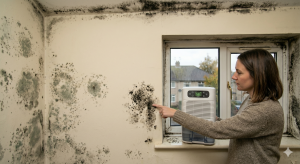
Mildew is one of the most common household moisture problems in the UK, especially in bathrooms, bedrooms, and poorly ventilated flats. With rising humidity issues in modern and older properties alike, many homeowners turn to dehumidifiers as a quick fix.
But the real question is: can a dehumidifier actually stop mildew, or is it just a temporary solution?
This guide breaks down how dehumidifiers work, when they help, when they fail, and what actually works for long-term mildew prevention in UK homes.
Why Mildew Is So Common in UK Homes
Before understanding whether dehumidifiers work, it’s important to understand why mildew forms in the first place.
Mildew thrives when three conditions are present:
- Excess moisture in the air
- Limited airflow or ventilation
- Cool or damp surfaces
UK homes are particularly vulnerable due to:
- Cold winters causing condensation on walls and windows
- Older housing stock with poor insulation
- High indoor humidity from cooking, showering, and drying clothes indoors
- Flats with limited natural ventilation
- Energy-efficient homes that trap moisture indoors
This combination creates ideal conditions for mildew to grow repeatedly.
What a Dehumidifier Actually Does
A dehumidifier is designed to remove excess moisture from the air. It works by drawing in humid air, extracting water, and releasing drier air back into the room.
In theory, this reduces humidity levels and makes it harder for mildew to grow.
A dehumidifier can:
- Lower indoor humidity levels
- Reduce condensation on windows and walls
- Help dry out damp rooms faster
- Improve overall indoor air quality
However, its effectiveness depends heavily on how and where it is used.
Can Dehumidifiers Actually Stop Mildew?
The short answer is: sometimes, but not always.
A dehumidifier can help prevent mildew when the problem is caused mainly by high humidity. However, it will not fully solve the issue if there are underlying structural or ventilation problems.
Dehumidifiers work best when:
- The issue is mild condensation
- Rooms are closed and moisture is trapped
- Used consistently in high-humidity areas
- Combined with good ventilation habits
Dehumidifiers are less effective when:
- There is a hidden water leak
- Walls are cold due to poor insulation
- Ventilation is severely limited
- Mildew is already deeply embedded in surfaces
In many UK homes, mildew is caused by more than just humidity, which is why results can be inconsistent.
Why Mildew Still Comes Back Even With a Dehumidifier
One of the most common complaints is that mildew returns despite using a dehumidifier regularly.
This usually happens because:
- Moisture is coming from structural damp or leaks
- Cold walls continue producing condensation
- Airflow remains restricted in problem areas
- Furniture traps moisture against walls
- Only symptoms are treated, not the cause
A dehumidifier reduces moisture in the air, but it does not fix why moisture is being produced or trapped in the first place.
The Biggest Mistake People Make With Dehumidifiers
Many homeowners assume that running a dehumidifier alone will permanently solve mildew problems.
The most common mistakes include:
- Using it only after mildew appears, not preventatively
- Running it in the wrong room or area
- Ignoring ventilation issues entirely
- Not addressing insulation or cold surfaces
- Expecting it to replace proper building maintenance
This leads to short-term improvement but long-term recurrence.
What Actually Works to Stop Mildew in UK Homes
To permanently control mildew, you need a combination of moisture management strategies. A dehumidifier can help, but it is only one part of the solution.
1. Improve Ventilation First
Ventilation is one of the most important factors in preventing mildew.
Effective steps include:
- Using extractor fans in bathrooms and kitchens
- Opening windows regularly, even in winter
- Allowing airflow behind furniture and curtains
- Avoiding blocking air vents
- Ensuring air can circulate between rooms
Without airflow, moisture will continue to build up regardless of dehumidifier use.
2. Control Sources of Moisture
Reducing moisture production is just as important as removing it.
Key actions include:
- Drying clothes outside or in ventilated areas
- Covering pans while cooking
- Keeping bathroom doors open after use
- Fixing leaks promptly
- Reducing long hot showers in poorly ventilated spaces
Less moisture produced means less for mildew to feed on.
3. Address Cold Surfaces and Insulation Issues
Cold walls are a major cause of condensation and mildew growth.
Solutions include:
- Improving wall insulation where possible
- Upgrading single glazing to double glazing
- Using thermal curtains in colder rooms
- Moving furniture slightly away from external walls
Reducing cold surfaces helps prevent condensation from forming.
4. Use Dehumidifiers Strategically (Not Alone)
Dehumidifiers are most effective when used as part of a wider strategy.
Best practices include:
- Using them in high-risk rooms like bedrooms and bathrooms
- Running them consistently during winter months
- Placing them in areas with poor airflow
- Emptying water tanks regularly for continuous operation
They should support moisture control, not replace it.
5. Treat Existing Mildew Properly
If mildew is already present, cleaning alone may not be enough.
Proper treatment includes:
- Safe removal of visible mildew from surfaces
- Deep cleaning of affected areas
- Drying surfaces thoroughly after treatment
- Addressing moisture conditions immediately
If mildew keeps returning, professional treatment may be required.
When a Dehumidifier Is Not Enough
You should not rely on a dehumidifier alone if:
- Mildew keeps returning after cleaning
- There are signs of damp patches or water ingress
- Multiple rooms are affected
- There is a persistent musty smell
- Walls feel cold or damp to the touch
In these cases, there is usually a deeper issue that needs investigation.
Professional Mildew and Damp Treatment
In more severe cases, professional assessment is needed to identify the real cause of recurring mildew.
A specialist approach typically includes:
- Full property inspection
- Moisture level testing
- Identification of hidden damp or leaks
- Air quality assessment
- Targeted treatment of affected areas
- Long-term prevention planning
This ensures both visible mildew and underlying moisture problems are addressed.
Final Thoughts
Dehumidifiers can help reduce moisture and slow mildew growth, but they are not a complete solution on their own. In UK homes, mildew is often caused by a combination of condensation, poor ventilation, insulation issues, and hidden damp problems.
To permanently stop mildew, you need a balanced approach that includes ventilation improvements, moisture control, structural fixes, and proper treatment of affected areas.
A dehumidifier is useful, but it works best as part of a wider long-term strategy rather than a standalone fix.
Expert Tips & Practical Guides for Mould and Mildew Removal, Treatment & Prevention
- How to Stop Mildew Smell in Your Home (Even After Cleaning)
- Mildew on Clothes, Curtains & Fabrics: Causes, Removal & Cleaning Guide
- Do Dehumidifiers Really Stop Mildew? What Actually Works in UK Homes
- What Causes Mould Around Windows and How to Stop It
- Condensation Mould vs Damp: Key Differences, Causes & Correct Treatment
- Mould in Rented Flats UK – Tenant Rights and Landlord Responsibilities
- Why Does Mould Keep Coming Back on My Walls? Causes & Long-Term Fixes
- How to Get Rid of Black Mould in Your Bathroom (Step-by-Step Guide 2026)