
How to Stop Mildew Smell in Your Home (Even After Cleaning)
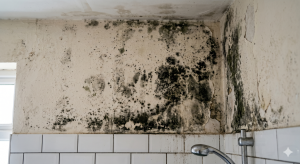
A lingering mildew smell in your home can be frustrating, especially when surfaces look clean but the musty odour refuses to go away. This is a very common issue in UK homes, particularly in bathrooms, bedrooms, wardrobes, and poorly ventilated rooms.
The key problem is this: the smell is not just coming from visible mildew — it is often caused by hidden moisture and airborne spores trapped in fabrics, walls, and soft furnishings.
This guide explains why mildew smell persists, where it comes from, and how to eliminate it permanently.
Why Mildew Smell Lingers Even After Cleaning
Many people assume that once mildew is cleaned, the smell should disappear. However, odours often remain because the source has not been fully removed.
Common reasons include:
- Mildew spores still present in porous materials
- Hidden moisture inside walls or furniture
- Damp fabrics such as curtains, carpets, or upholstery
- Poor ventilation trapping odours indoors
- Airborne contamination in enclosed spaces
Even if surfaces look clean, microscopic particles can continue producing a musty smell.
Where the Mildew Smell Usually Comes From
Identifying the source is the most important step in removing the odour permanently.
1. Hidden mildew behind walls or furniture
Mildew can grow in areas you cannot see, especially:
- Behind wardrobes and sofas
- Inside wall cavities
- Under carpets or flooring edges
- Around cold external walls
These hidden areas often continue releasing odours even after visible cleaning.
2. Damp fabrics and soft furnishings
Soft materials absorb moisture and hold onto smells.
Common culprits include:
- Curtains near windows
- Upholstered furniture
- Carpets and rugs
- Bedding and mattresses
- Stored clothing in wardrobes
Once mildew enters fabric fibres, odours can persist for a long time.
3. Poor ventilation and trapped air
If air does not circulate properly, odours become concentrated indoors.
This is common in:
- Bathrooms without proper extractor fans
- Bedrooms with closed windows
- Flats with limited airflow
- Storage rooms and cupboards
Without fresh air exchange, smells linger and intensify.
4. High humidity levels
Moist air helps mildew spores survive and continue producing odours.
Typical sources include:
- Cooking and boiling water
- Shower steam
- Drying clothes indoors
- Seasonal condensation in winter
High humidity keeps the smell active even after cleaning.
Step-by-Step: How to Remove Mildew Smell from Your Home
To permanently remove mildew odours, you need a combination of cleaning, ventilation, and moisture control.
Step 1: Identify and remove the moisture source
Without fixing moisture issues, the smell will always return.
Check for:
- Condensation on windows or walls
- Leaks under sinks or behind appliances
- Damp patches in corners or ceilings
- Overused drying areas for clothes
Fixing moisture problems is the foundation of odour removal.
Step 2: Improve ventilation immediately
Fresh air is one of the most effective ways to remove mildew smell.
You can improve airflow by:
- Opening windows daily, even briefly
- Using extractor fans during cooking and showering
- Keeping internal doors open where possible
- Allowing air circulation behind furniture
Better airflow helps remove trapped odours faster.
Step 3: Deep clean affected areas
Surface cleaning alone is not enough if odours persist.
Focus on:
- Walls and ceilings in affected rooms
- Window frames and sills
- Bathroom tiles and grout
- Cupboards and storage spaces
Use appropriate cleaning solutions and ensure everything is fully dried afterwards.
Step 4: Treat soft furnishings and fabrics
Fabric holds onto mildew smells more than hard surfaces.
You should:
- Wash curtains, bedding, and clothing thoroughly
- Air-dry fabrics outdoors where possible
- Use appropriate fabric-safe disinfectants
- Replace heavily affected items if odour persists
In some cases, deep cleaning or professional upholstery treatment may be needed.
Step 5: Reduce humidity levels indoors
Lower humidity reduces both smell and mildew growth.
Effective methods include:
- Using a dehumidifier in high-risk rooms
- Avoiding indoor drying of clothes
- Keeping heating consistent in colder months
- Monitoring moisture levels where possible
Dry air makes it harder for mildew odours to survive.
Step 6: Improve indoor air quality
Even after cleaning, airborne particles may remain.
To improve air quality:
- Ventilate rooms regularly
- Use air circulation fans if needed
- Keep surfaces clean and dry
- Avoid trapping stale air in closed rooms
Fresh air exchange is essential for odour removal.
When the Mildew Smell Means a Bigger Problem
If the smell keeps returning, it may indicate a deeper issue.
Possible causes include:
- Hidden damp behind walls
- Leaking pipes or roofing issues
- Severe ventilation failure
- Widespread mildew contamination
- Moisture trapped in building materials
In these cases, cleaning alone will not solve the problem.
Professional Mildew Odour Removal
Professional treatment may be required when odours are persistent or widespread.
A specialist approach typically includes:
- Full property inspection
- Identification of hidden moisture sources
- Deep cleaning of contaminated areas
- Air treatment to reduce spores
- Targeted disinfection of affected zones
- Long-term prevention advice
This ensures both the smell and its root cause are addressed.
Final Thoughts
Mildew smell is not just a surface issue — it is usually a sign of hidden moisture, poor ventilation, or contamination in fabrics and building materials. This is why it often remains even after cleaning visible mould.
To permanently remove the odour, you must combine deep cleaning with moisture control, ventilation improvements, and treatment of hidden sources. Once these factors are addressed, the smell can be eliminated and prevented from returning.
Expert Tip for Long-Term Odour Prevention
The most effective way to prevent mildew smell is to control indoor humidity and maintain consistent airflow. Without addressing moisture levels, even the best cleaning will only provide temporary relief.
Expert Tips & Practical Guides for Mould and Mildew Removal, Treatment & Prevention
- How to Stop Mildew Smell in Your Home (Even After Cleaning)
- Mildew on Clothes, Curtains & Fabrics: Causes, Removal & Cleaning Guide
- Do Dehumidifiers Really Stop Mildew? What Actually Works in UK Homes
- What Causes Mould Around Windows and How to Stop It
- Condensation Mould vs Damp: Key Differences, Causes & Correct Treatment
- Mould in Rented Flats UK – Tenant Rights and Landlord Responsibilities
- Why Does Mould Keep Coming Back on My Walls? Causes & Long-Term Fixes
- How to Get Rid of Black Mould in Your Bathroom (Step-by-Step Guide 2026)