
Mould in Rented Flats UK – Tenant Rights and Landlord Responsibilities
Mould in rented flats is a widespread issue across the UK, particularly in older buildings, converted properties, and poorly ventilated apartments. Many tenants struggle with recurring mould problems but are unsure who is responsible or how to take action.
The key point is this: mould in rented accommodation is not just a cleaning issue – it is often a housing condition and legal responsibility issue.
This guide explains tenant rights, landlord obligations, council involvement, and how to properly document and report mould in UK rental properties.
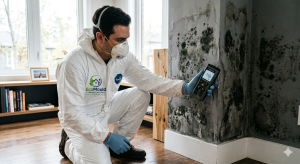
Who Is Responsible for Mould in a Rented Flat?
In most UK rental situations, responsibility depends on the cause of the mould.
Landlord responsibilities typically include:
- Fixing structural damp issues
- Repairing leaks in roofs, pipes, or walls
- Ensuring proper ventilation systems are working
- Maintaining damp-proof courses and insulation
- Addressing building defects causing condensation or damp
Tenant responsibilities may include:
- Using ventilation systems correctly (e.g. extractor fans)
- Heating and ventilating the property appropriately
- Reporting issues promptly to the landlord
- Avoiding behaviours that increase moisture excessively
However, in most cases where mould is persistent, the underlying cause is structural — meaning it is usually the landlord’s responsibility.
Common Causes of Mould in UK Rented Flats
Mould in rental properties is often caused by building-related issues rather than tenant behaviour.
Common causes include:
- Condensation in poorly insulated flats
- Leaking pipes behind walls or under floors
- Poor ventilation in bathrooms and kitchens
- Cold external walls in older conversions
- Failed damp-proof courses in older buildings
- Roof or gutter leaks affecting upper flats
These issues are especially common in dense urban housing where ventilation is limited.
Your Rights as a Tenant in the UK
Tenants in the UK are legally protected under housing standards that require properties to be safe, habitable, and free from serious damp and mould issues.
You may have rights to:
- A safe and healthy living environment
- Repairs carried out within a reasonable timeframe
- Formal inspection of housing conditions
- Involvement of the local council if issues persist
- Compensation in severe cases of neglect or long-term issues
If mould is affecting your health or living conditions, it may be considered a housing hazard under UK housing law.
How to Report Mould to Your Landlord
If you discover mould in your rented flat, it is important to report it correctly and in writing.
Steps include:
- Take clear photos of all affected areas
- Document the date the issue was first noticed
- Report the issue to your landlord or letting agent in writing
- Request a professional inspection or repair
- Keep copies of all communication
Written evidence is essential if the issue escalates.
When to Contact the Council
If your landlord does not take action or the problem continues, you can escalate the issue to your local council.
The council may:
- Inspect the property for housing hazards
- Assess damp and mould severity
- Issue enforcement notices to the landlord
- Require urgent repairs or improvements
- Classify the issue under housing health and safety regulations
This is particularly important if the mould is affecting health or spreading.
Importance of Proper Documentation
Strong documentation is critical when dealing with mould disputes in rented accommodation.
Make sure to keep:
- Photos and videos of mould growth
- Written communication with landlord or agent
- Records of health symptoms (if relevant)
- Dates of reported issues and responses
- Any inspection reports or contractor visits
This evidence supports your case if legal or council action is needed.
Health Concerns in Rented Properties
Mould exposure in flats can impact indoor air quality and may contribute to:
- Respiratory irritation and coughing
- Worsening asthma symptoms
- Allergic reactions
- Headaches and fatigue
- General discomfort in living conditions
If symptoms improve outside the property, mould may be a contributing factor.
What Happens During a Mould Inspection?
A professional inspection typically includes:
- Visual assessment of affected areas
- Moisture readings in walls and surfaces
- Identification of condensation or leak sources
- Evaluation of ventilation systems
- Assessment of mould spread and severity
This helps determine whether the issue is structural, environmental, or both.
What If the Landlord Refuses to Act?
If your landlord refuses to address mould issues, you can:
- Escalate the complaint to the local council
- Contact environmental health services
- Seek legal advice or tenant support organisations
- Request an independent inspection report
- Withhold rent only after seeking legal guidance (not recommended without advice)
Ignoring mould problems can lead to worsening property conditions and potential legal consequences for landlords.
Preventing Mould in Rental Properties
While structural issues must be fixed by the landlord, tenants can help reduce recurrence by:
- Ventilating rooms regularly
- Using extractor fans during cooking and bathing
- Keeping furniture slightly away from walls
- Drying clothes in ventilated spaces
- Reporting early signs of damp or mould
Prevention works best when both tenant and landlord responsibilities are addressed.
Final Thoughts
Mould in rented flats is not just a cosmetic issue — it is often a housing condition problem that involves legal responsibilities, documentation, and sometimes council enforcement.
Understanding your rights, reporting issues correctly, and gathering proper evidence are key steps in ensuring the problem is resolved effectively. In most cases, persistent mould indicates an underlying structural or ventilation issue that must be fixed by the landlord.
Expert Advice on Mould in Rented Properties
If mould continues to return or affects your health, professional inspection and remediation may be necessary to identify the root cause and ensure a safe living environment.
Expert Tips & Practical Guides for Mould and Mildew Removal, Treatment & Prevention
- How to Stop Mildew Smell in Your Home (Even After Cleaning)
- Mildew on Clothes, Curtains & Fabrics: Causes, Removal & Cleaning Guide
- Do Dehumidifiers Really Stop Mildew? What Actually Works in UK Homes
- What Causes Mould Around Windows and How to Stop It
- Condensation Mould vs Damp: Key Differences, Causes & Correct Treatment
- Mould in Rented Flats UK – Tenant Rights and Landlord Responsibilities
- Why Does Mould Keep Coming Back on My Walls? Causes & Long-Term Fixes
- How to Get Rid of Black Mould in Your Bathroom (Step-by-Step Guide 2026)